.JPG)
VIENNA NEVER FORGOT THE TURKS
The Ottomans besieged Vienna—one of the cities considered the heart of Europe—twice. No result was achieved from these two sieges dated 1529 and 1683. But the Viennese never forgot them. Every year, they celebrate their city’s liberation from the Turks. Moreover, all around the city, there are memories from that era. Even in Balkan cities that remained under Ottoman rule for centuries, it is not possible to encounter this many Turkish traces.
.JPG)
The Portrait of Sultan Mahmud I’s Ambassador
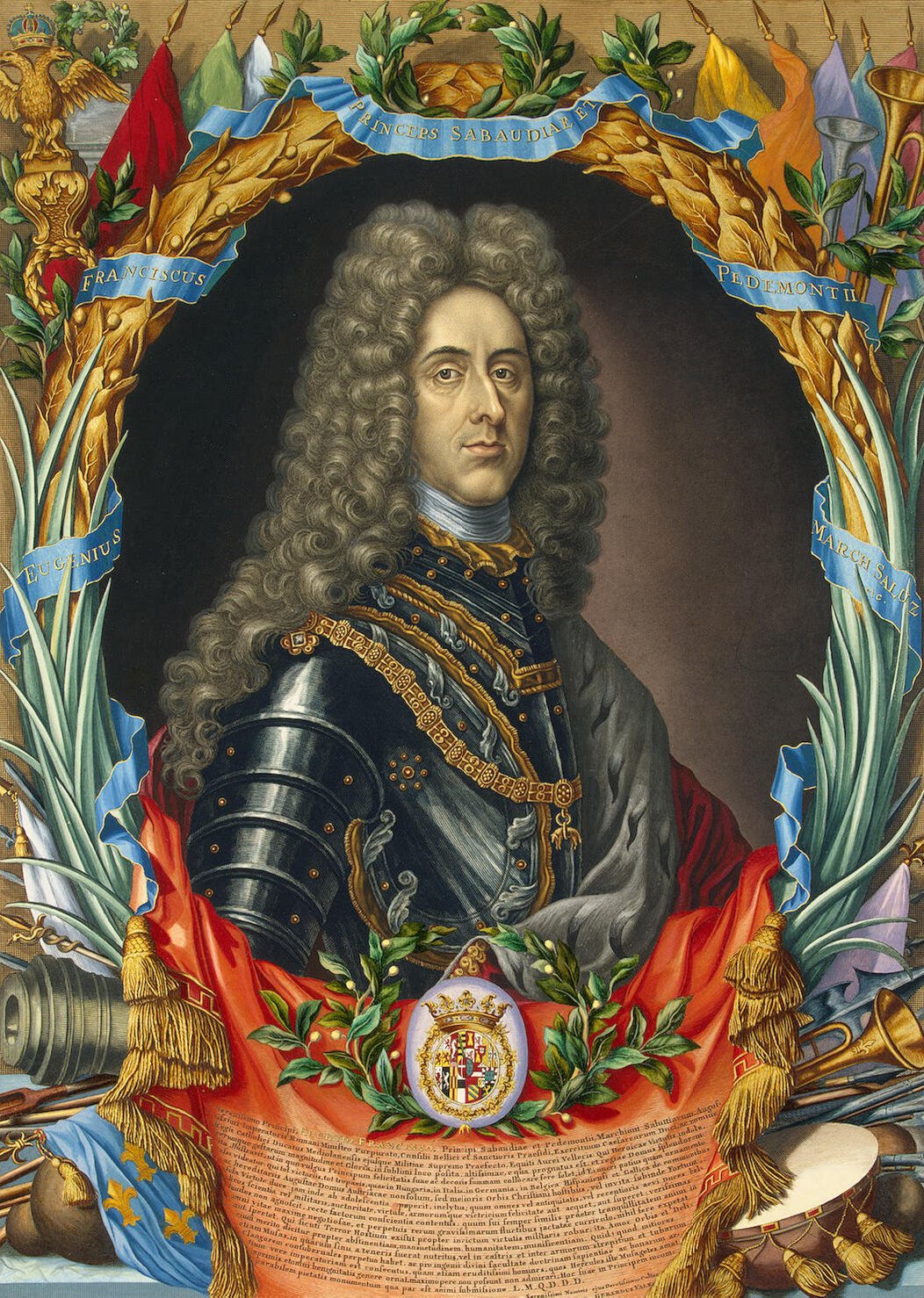
The famous commander Prince Eugene, who defeated the Ottomans, had the Belvedere Palace—now an art gallery and one of the symbols of Vienna—built with the fortune he acquired. On its wall hangs a painting depicting Prince Eugene meeting with the ambassador of Sultan Mahmud I.
They Still Haven’t Forgotten That Day
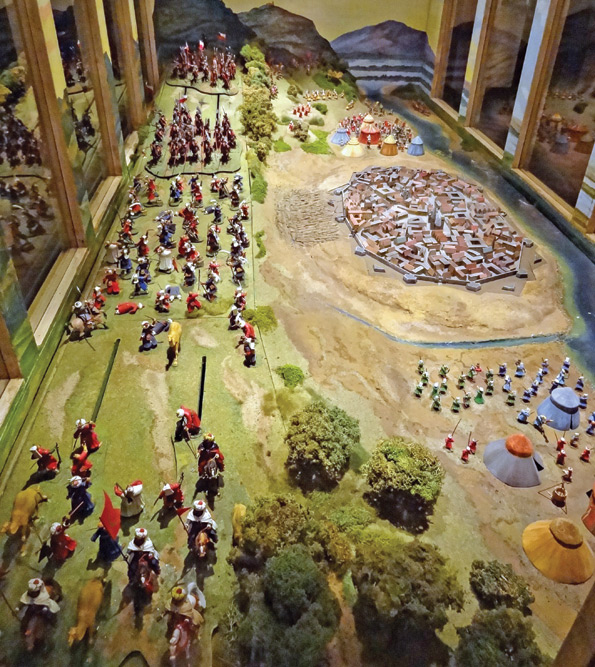
In Prater, one of Vienna’s oldest and largest parks, a Ferris wheel from the 1920s is still in operation. In its museum, there are paintings and figurines depicting Vienna’s history. The most striking one is the Ottoman Empire’s Second Siege of Vienna in 1683. On the 200th anniversary of the siege, a marble monument was built at St. Stephen’s Cathedral. On the monument called Türkenbefreiungsdenkmal (“Liberation from the Turks Monument”), historical figures who contributed to liberation from the Turks are depicted.
Cries of “Allah Allah”
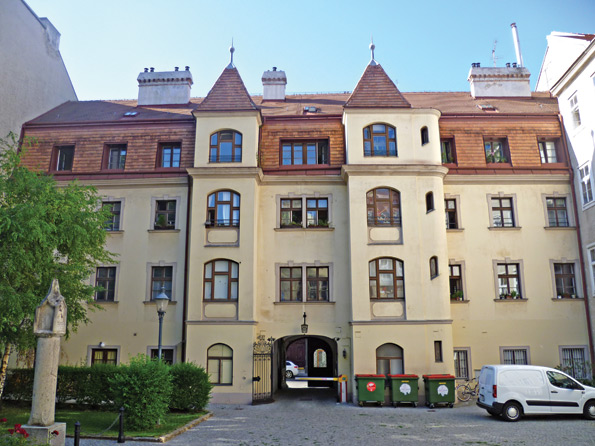
Baker Josef Schulz hears a sound coming from the basement of his bakery one night during the siege. These are the “Allah Allah” cries of Ottoman sappers who were digging a tunnel toward the city. Once the matter was understood, they filled the basement with water and prevented the attempt. Father Schulz thus became a folk hero. In honor of the bakers’ heroism, the Innungshaus was built in 1783.
The Circassian Uncle Who Broke Through the Fortress
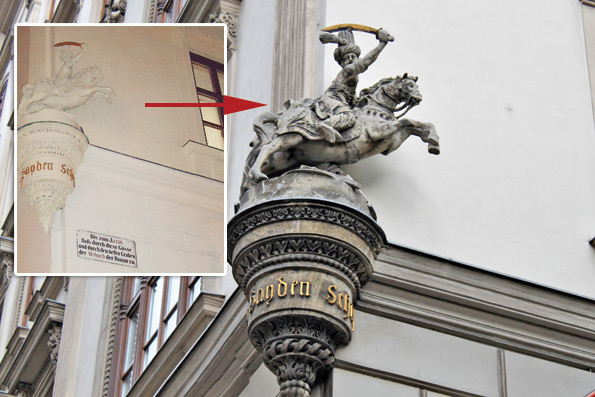
According to Evliya Çelebi, during the First Siege, an Ottoman soldier known as “Çerkez Dayı” (the Circassian Uncle) rushed into the city through a breach opened in the walls, later realizing he was alone inside, and fought until he became a martyr. King Ferdinand had this great hero buried in the house where he died. On the corner of this house in Strauchgasse, there is a statue of Çerkez Dayı swinging a sword.
The Shrewd Pole Who Grabbed the Coffee
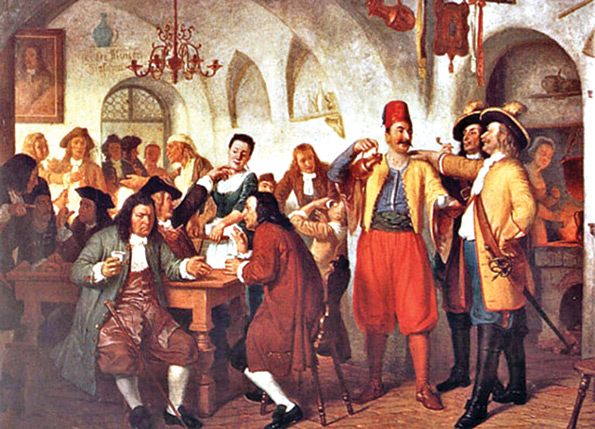
Thanks to the raw coffee beans found in the Ottoman tents, the Viennese became coffee lovers, and Vienna became known for its coffee and coffeehouses. Kolschitzky, a Polish Jew who went in and out of the Ottoman lines during the siege to serve as a translator, recognized and bought the beans inside sacks that everyone had assumed were camel feed, and after various experiments discovered what is now called Melange, the traditional Viennese coffee, by adding milk and sugar; he opened the first coffeehouse in the city.
“The Turks Are Coming”
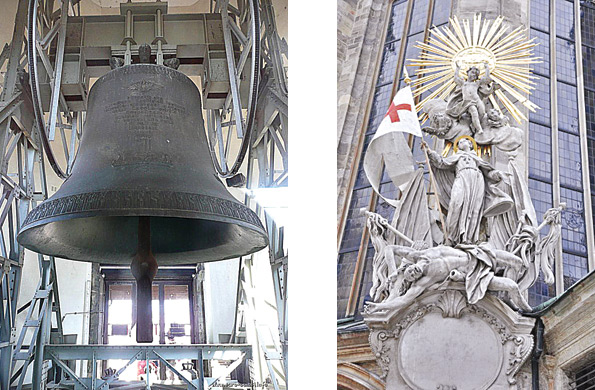
Around 200 cannons and other metal weapons left from the Ottomans were melted down in 1711 to make a large bronze bell called Pummerin, which was hung in St. Stephen’s Cathedral. The approaching Ottoman threat used to be announced in churches with bells. By order of Pope Callixtus III, since the Belgrade Siege of 1456, bells called the “Turk’s bell” have been rung at certain times in all churches of Europe, accompanied by certain prayers. On the northern wall outside St. Stephen’s Cathedral, the statue called Capistrankanzel depicts a Janissary crushed under the feet of Johannes von Capistrano, who gave sermons about the wrath of the Turks. It was commissioned by the Franciscan monks.
The Grand Vizier’s Tent on Display
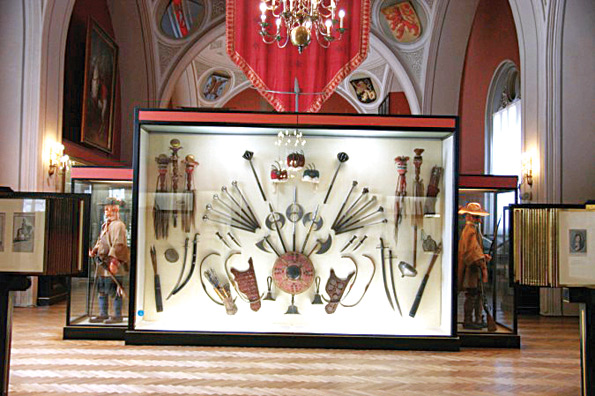
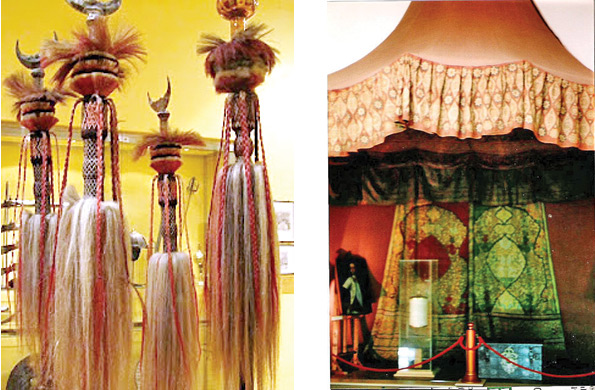
In Vienna’s Arsenal Museum of Military History, banners, horsetails, helmets, and weapons from the siege are displayed, along with a tent believed to have belonged to the grand vizier.
They Made and Ate the Crescent Croissant
The croissant, called kipferl (“crescent”) by the Germans, also dates back to the Vienna siege. When the city was saved, the pastry makers—using the puff pastry dough they had learned from the Turks—made a crescent-shaped pastry in celebration, and it became customary to eat it alongside Viennese coffee. It was brought to France by German princesses, was called “croissant” (holy cross), and from there it spread to the world.
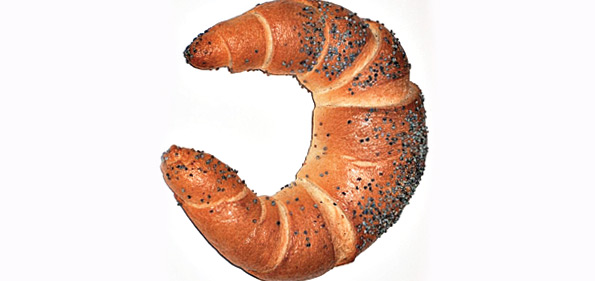
The Turks Could Not Forget Vienna Either
Vienna never came under Ottoman rule. However, it hosts more Ottoman traces than many Anatolian cities. In each of various trips to Vienna, we discovered new traces of these. It is remarkable that one of the oldest and most beautiful cities of Europe occupies such a place in Turkish history. The truth is, the Viennese never forgot the Ottomans who came to their gates twice. But the Turks could not remove Vienna from their hearts either. In the famous Viennese coffeehouses, we followed the pleasant scent of the coffee they learned from the Ottomans, wandering the old streets. On every corner, we encountered signs that belonged to Turks. We share some of these with you...
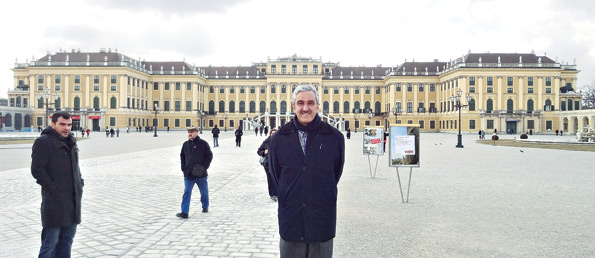
Schönbrunn Palace
It is the summer palace of the Austrian emperors. Sultan Abdulaziz, who visited Vienna in 1867, was hosted here.
Kahlenberg Hill
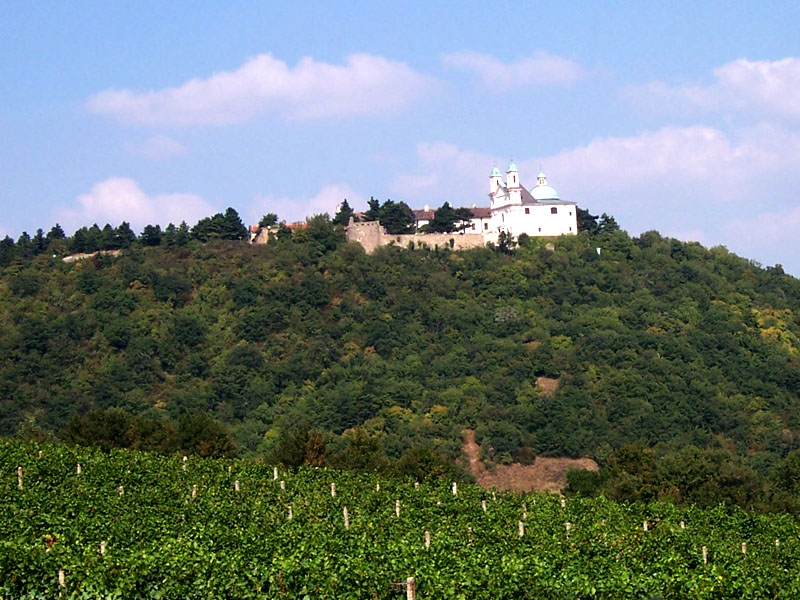
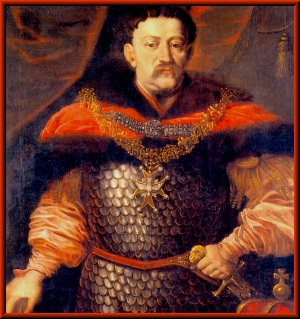
It is the hill from which Vienna’s most beautiful view is observed. Kahlenberg used to be called “Sauberg (Pig Mountain),” and the neighboring hill with a Danube view was called “Kahlenberg.” Jan Sobieski circled behind these two hills and defeated the right wing of the Ottoman army. On the morning of September 12, when the assault took place, a mass was held in the Capuchin Monastery here, attended by Sobieski. On today’s Kahlenberg, St. Joseph’s Church was built in honor of Vienna’s liberation from the Turks. On its wall, there is a plaque thanking the Polish King Jan Sobieski, who defeated the Ottoman army and saved the city. Now Sauberg is called “Kahlenberg,” and the other hill is called “Leopoldsberg.”
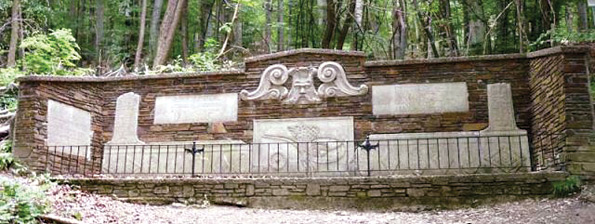
Türkenstein (Turk Stone)
In the Mauerbach forest near Vienna, there are Ottoman gravestones and a large imperial "tughra" (monogram/seal). According to legend, Laodon, the Austrian commander who captured Belgrade, removed the gravestone of Governor İbrahim Pasha from here as a victory trophy and brought it to Vienna, mounting it on a wall on his estate. Later, historian Hammer, by reading the inscriptions, determined that this İbrahim Pasha was not a governor but an ambassador. Because they did not know Ottoman Turkish, they mounted the tughra upside down.
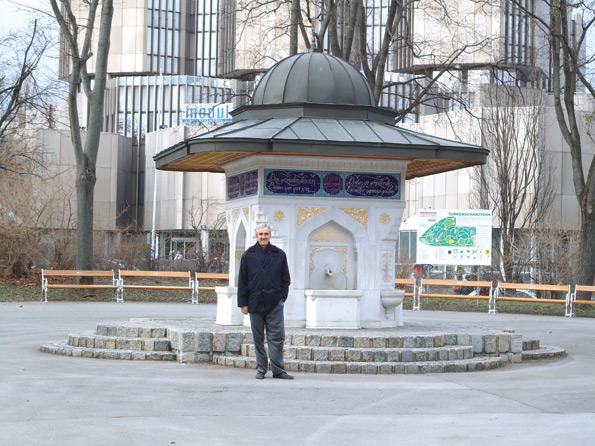
Türkenschanzpark (Turkish Redoubt Park)
On the site where the Ottoman redoubt was located during the siege, a beautiful and large park was built in 1888 by order of Emperor Franz Joseph. At the entrance, there are decorations with crescent and star motifs. In 1991, a fountain in Ottoman style was built in this park.
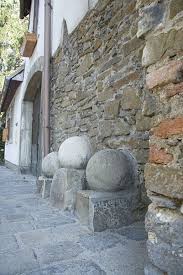
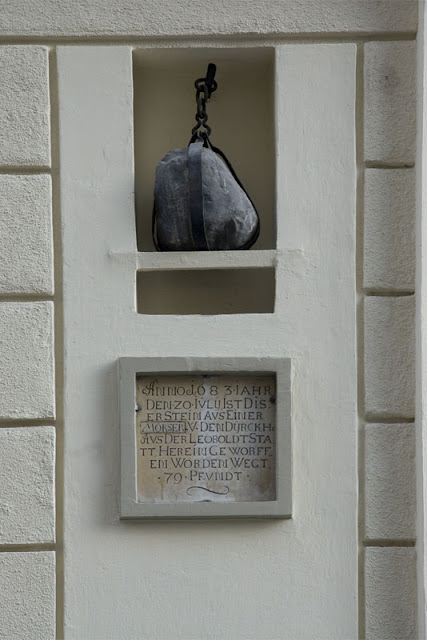
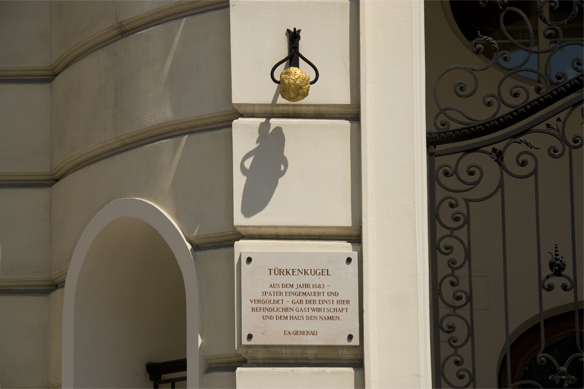
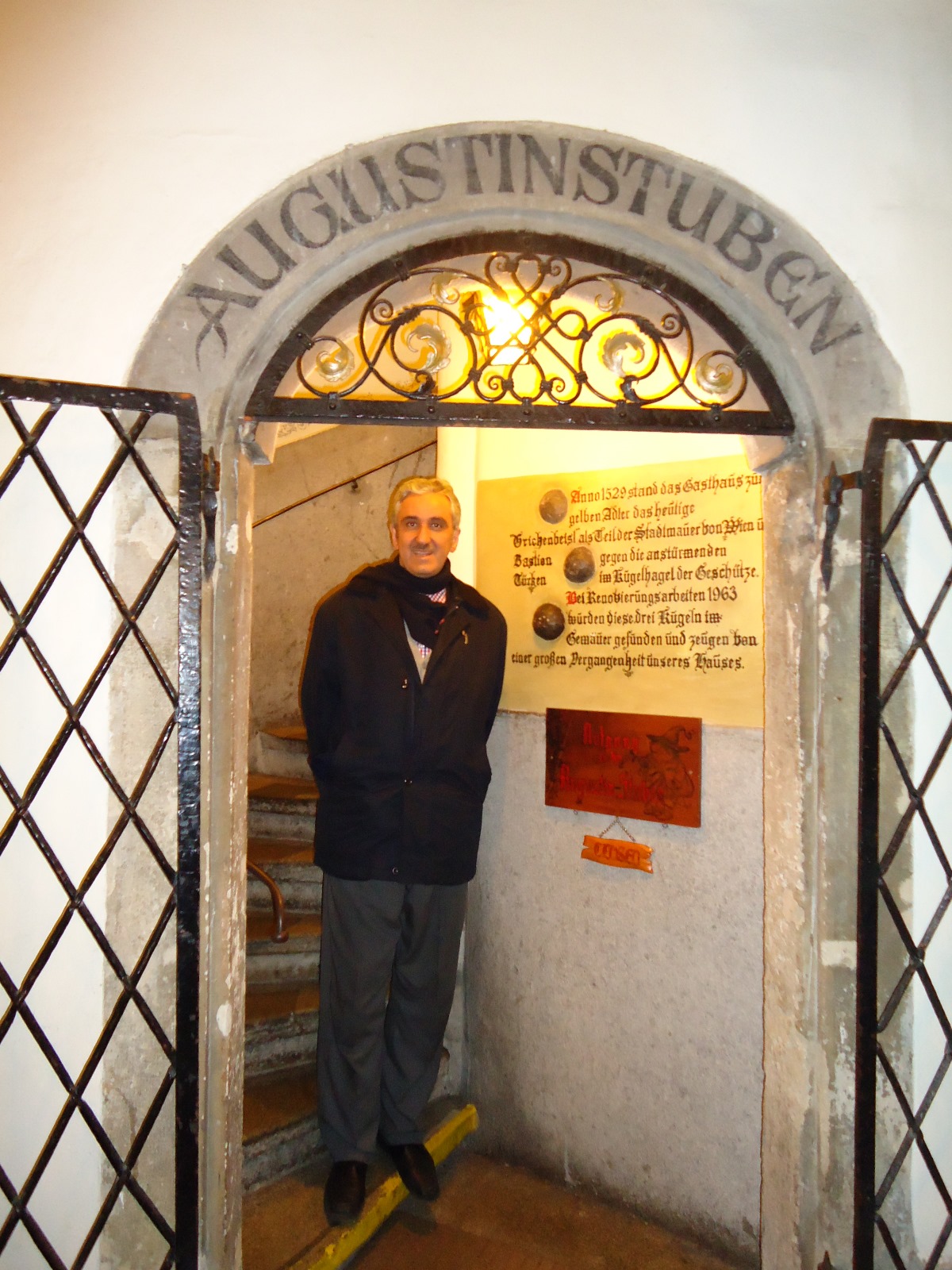
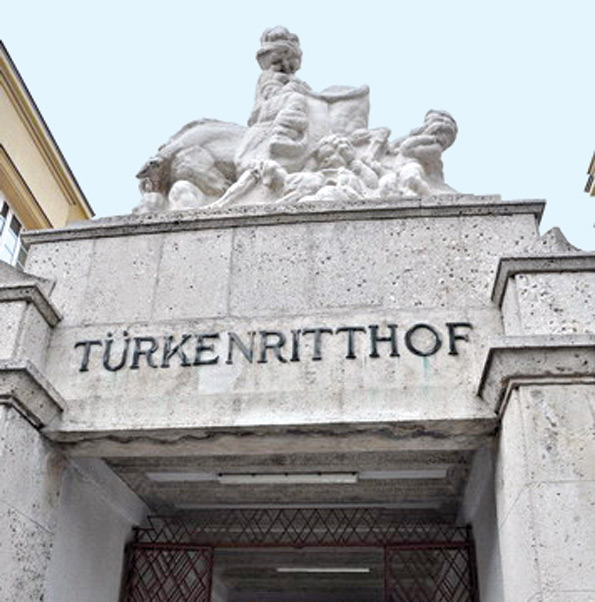
Türkenritthof (Turkish Procession Courtyard)
After the siege, every year on the Sunday following August 24 (the Feast of St. Bartholomew), a festival was held here in honor of liberation from the Ottomans; someone representing Kara Mustafa Pasha was seated backward on a donkey and paraded around, supposedly to humiliate the Ottomans. It was banned by King Leopold I due to the excessive and degrading conduct.
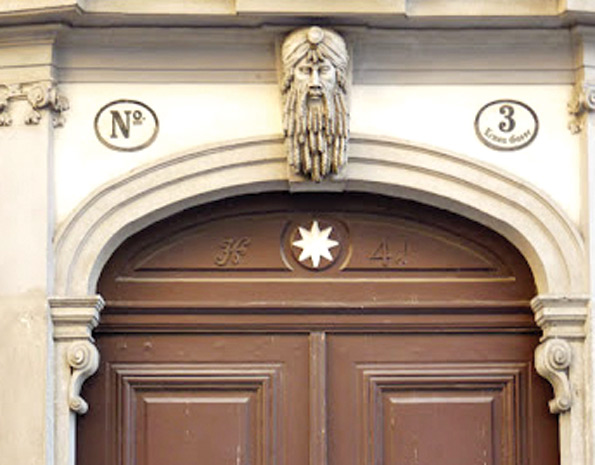
Türkenkopf (Turk Head)
In Austria, at the entrance of many houses, there is a depiction of a Turk’s head with furrowed brows, a thick mustache, and a turban. The one at Lenau Street No. 3 is the most notable.
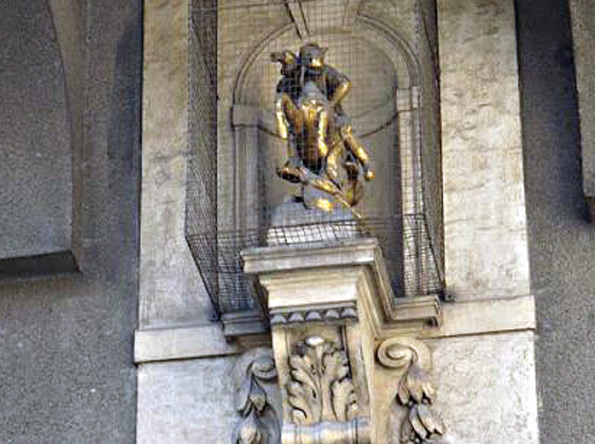
Türkenreiter (Turkish Horseman)
At the site where the tent of Kara Mustafa Pasha stood during the siege, a statue of an Ottoman horseman wearing a turban and brandishing a sword was erected to keep this memory alive.
Önceki Yazılar
-
WHO WAS THE OTTOMAN JUDGE?7.10.2026
-
“IF YOU REALIZE THAT YOU ARE WRONG, DO NOT HESITATE TO RETURN TO WHAT IS RIGHT!”30.09.2026
-
HE WAS TO BECOME SULTAN, YET HE DOES NOT EVEN HAVE A GRAVE: PRINCE ORHAN EFENDI23.09.2026
-
IS IMPRISONMENT A PUNISHMENT FOR THE CONVICT, OR FOR HIS INNOCENT FAMILY?16.09.2026
-
ABORTION AND INDUCED MISCARRIAGE IN HISTORY9.09.2026
-
EUROPE SHOULD LEARN TOLERANCE FROM THE EAST2.09.2026
-
A SULTAN IN THE GRIP OF THE MASONS: MURAD V26.08.2026
-
AN ANCIENT GREEK TRADITION AMONG CHRISTIANS: THE BETTER THE DOWRY, THE BETTER THE HUSBAND19.08.2026
-
WHY DID THE PROPHET MUHAMMAD MARRY MULTIPLE TIMES? Understanding the Prophet Muhammad’s Marital Life12.08.2026
-
HOLY RELICS ADORNING ISTANBUL5.08.2026