(1).jpg)
THE WATER OF IMMORTALITY IN THE “LAND OF DARKNESS”
Ab Hayat means “the water of life” in Persian. It is the water that is believed to grant immortality to the one who drinks it. It is also used for pure and clear water. It is also used for subtle and profound words. It is also used to express the value of something. It is also called Ab Khidr, Ab Zindagani, Ab Baqaʾ, ʿAyn al-Hayat, and Nahr al-Hayat. Is immortality really an attribute suitable for human beings? It is narrated that someone who drinks the water of immortality falls into great misery as he keeps losing his loved ones.

The Place Where the Waters Meet
In the Qurʾan al-Karim, while the story of the Prophet Musa (Moses) and Khidr is told, there is an allusion to Ab al-Hayat (Surah al-Kahf, 60–82). The Prophet Musa and his young companion Yusha (Joshua), in order to seek Khidr, who possesses al-ilm al-ladunni (knowledge granted directly by God, not attained through effort), set out toward Majma al-Bahrayn, that is, the place where the two seas meet. When the salted fish they had taken as provisions comes to life and leaps into the sea, they realize that they have reached the meeting place. According to what is reported in a hadith (saying of the Prophet Muhammad), the water touched the fish and brought it to life. The Prophet Musa sets out on the journey during which this event occurs, where he will meet Khidr and witness extraordinary things. Al-Bukhari says, “What is meant by Majma al-Baḥrayn is the spring of life.” There are also narrations claiming that this place is Istanbul, citing Yusha Hill on the Bosphorus as evidence.
It is believed that whoever drinks from this water will live a long life or attain immortality. According to a narration in the tafsirs (exegeses), Iskandar Dhu al-Qarnayn hears of the water of life located in the “Land of Darkness” and decides to search for it. He sets out with his army, accompanied by his cousin Ilyasa, known as Khidr. Along the way, they become separated from the army due to a storm. When they reach the Land of Darkness, Dhu al-Qarnayn goes to the right and al-Khidr to the left, trying to determine their paths. After traveling for days, Khidr hears a divine voice and sees a light. There he finds Ab Hayat. He drinks from this water and washes himself in it. Thus, he both attains eternal life and acquires extraordinary powers. Later he meets Dhu al-Qarnayn. The latter also searches for Ab Hayat but cannot find it and dies after some time. The The Iskandarnamehs (Book of Iskandar) in folk literature are filled with detailed accounts of this subject.
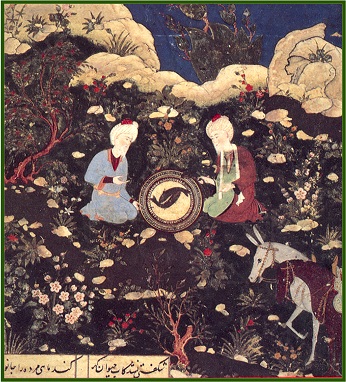
In another legend, Iskandar Dhu al-Qarnayn learns of Ab al-Hayat from scholars. He sets out with his army to search for it. He loses his soldiers; only his cook remains. The cook goes to wash the salted fish he is holding beside a spring; when he washes the fish, it comes to life. The cook realizes the situation and drinks from the water. He tells Iskandar what happened to him. Iskandar cannot find the described spring. He becomes angry with the cook and tries to kill him. When he cannot kill him, he ties a stone around his neck and throws him into the water. The cook turns into a sea jinn. In the Qurʾan al-Karim, it is narrated that Talut (Saul) forbade his soldiers from drinking from a water they encountered during a campaign. Is there perhaps an allusion to Ab al-Hayat here?
Is There an Immortal Human Being?
Among the people, it is believed that two saintly figures named Khidr and Ilyas (Elijah) attained immortality by drinking Ab Hayat. The former is the rescuer of those on land, the latter of those at sea. From time to time, they appear to worthy individuals. People consider seeing these two figures a great favor. They meet on May 6, roast mushrooms, and eat them. This day is called Khidrilyas (Hıdırellez). Leaving aside all these folk beliefs, the Qurʾan al-Karim states that no one before the Prophet Muhammad was made immortal (Surah al-Anbiyaʾ, 34). The Prophet Muhammad, one month before his passing, said: “None of those who are on the earth today will be alive after one hundred years.” For this reason, scholars such as Imam Rabbani say that Khidr and Ilyas have passed away, but that their spirits enter bodies to help people. Some of those who say that Khidr is alive say, “When the Prophet Muhammad said this, Khidr was not on the surface of the earth but on the surface of the water.” It is said that the extraordinary words of Muhyi al-Din Ibn Arabi were all learned from Khidr. In the tafsirs, it is stated that Khidr and Ilyas were likely two prophets from the Banu Israil.
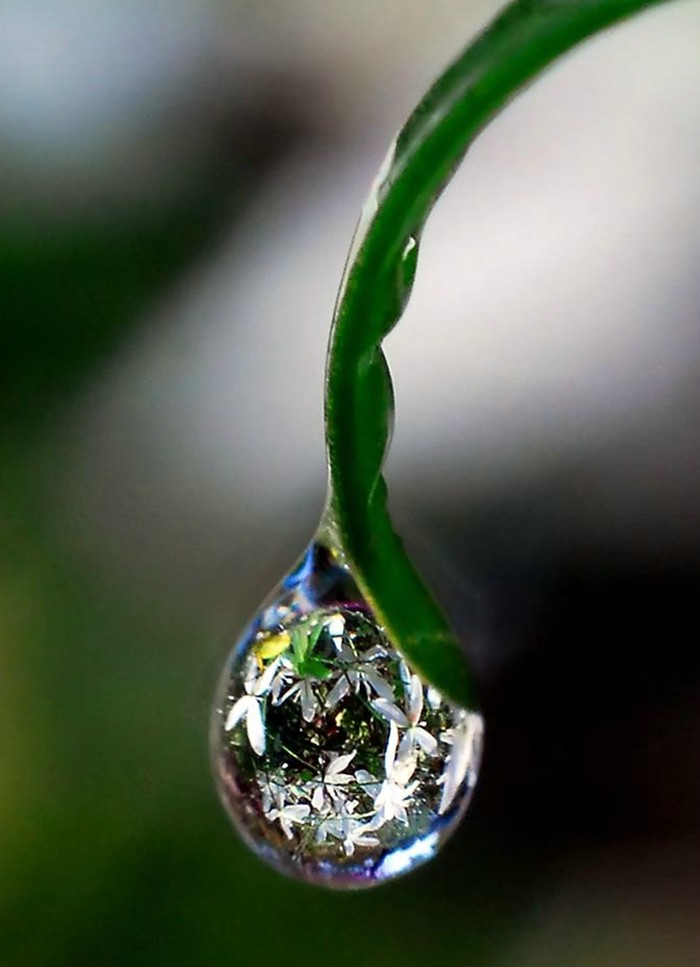
Ab Hayat also has Sufi meanings. It indicates the manifestation of the divine name al-Hayy (the Giver of Life). Those who attain the secret of the name al-Hayy are considered to have drunk Ab al-Hayat. Imam Rabbani says: The inner realities and hearts of the saints are Ab Hayat. Whoever tastes a drop (one drop) finds immortal life and attains eternal felicity and happiness. Mevlana Jalal al-Din Rumi likens his master Shams to Ab Hayat in his Diwan al-Kabir. The couplet of a famous Turkish folk poet and Sufi “Yunus Emre says that in this world two persons remain / They must be Khidr and Ilyas, as if they have drunk Ab Hayat” points to this truth. Poets of later times lamented, “How grievous is the darkness (zulma) into which the earth has fallen,” speaking of an all-encompassing state of moral and spiritual gloom; yet they took comfort in the saying, “Ab Hayat lies within the darknesses (zulumat),” for these darknesses are many-layered veils, and within such depths the source of life is hidden. Indeed, mercy cannot be attained without hardship. A female Ottoman poet named Zeyneb Hanım also says: “O heart, if it is not your destiny, you cannot attain Ab Hayat, even if you wander for a thousand years through the places traversed by Khidr and Iskandar.”
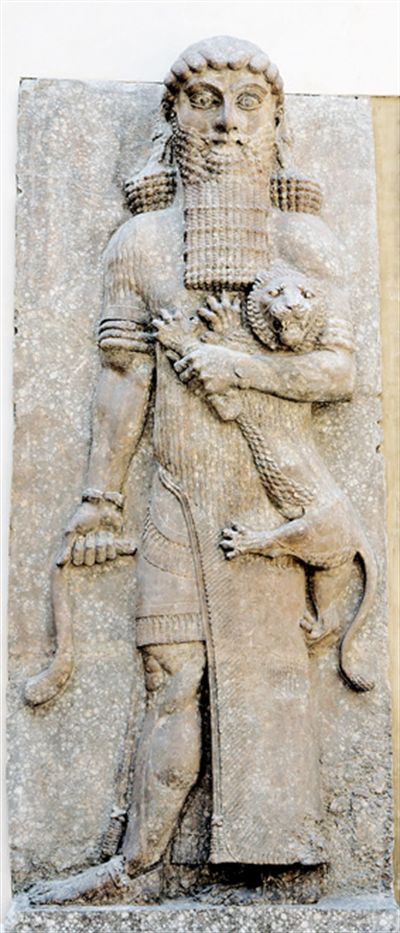
The Epic of Gilgamesh of the Sumerians is about Ab Hayat. King Gilgamesh, who lived around 2700 BCE, sets out to find Utnapishtim, the only immortal human who survived the Flood and whose story resembles that of the Prophet Nuh (Noah). After enduring many hardships, he finds him. Utnapishtim gives the name of a plant located far away, at the mouths of rivers, on the bottom of the sea. Gilgamesh finds that place; he dives into icy water; he plucks the plant; but a snake, attracted by the plant’s pleasant scent, snatches it and escapes. Gilgamesh weeps, saying, “I was going to take it to the elders of my land.” He returns to his country empty-handed.
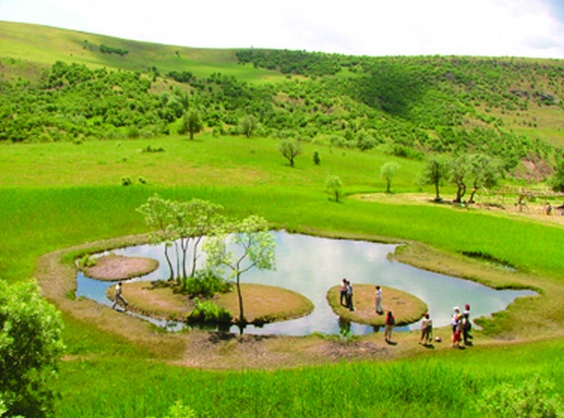
According to Evliya Çelebi, Ab Hayat is in Anatolia. Iskandar named the place where he found this water Çabakçur, meaning “the water of paradise,” and had a fortress built there. A hunter sees that a partridge he shot comes back to life when it falls into this water; but when he reveals the secret, the water splits into a thousand pieces. This is the story of Bingöl (the Thousand Lakes).
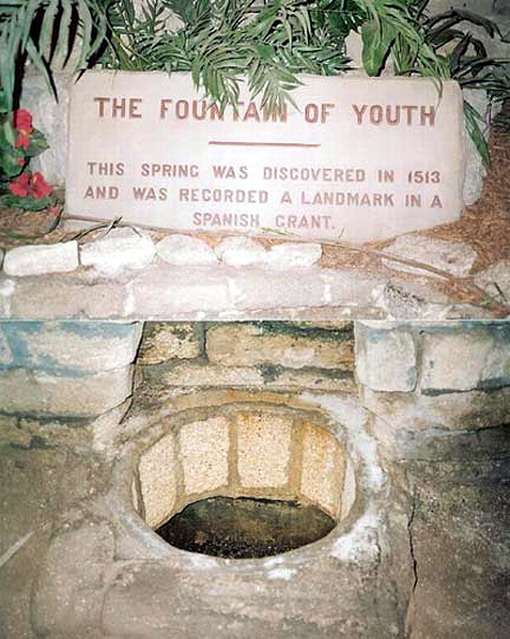
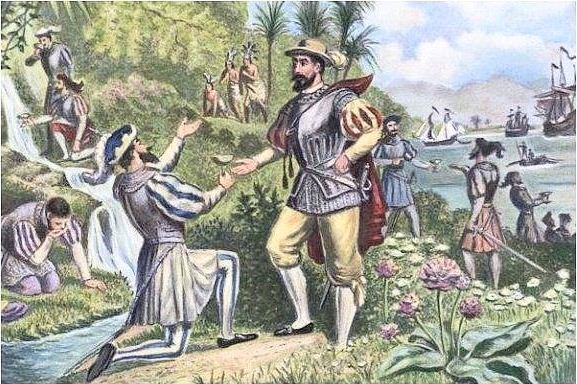
In 1513, the Spanish explorer and governor of Puerto Rico Juan Ponce de León, who landed in Florida, pursues a legend he heard from the natives and finds the Fountain of Youth, from which those who drink are rejuvenated. This place is now a national park and a spa.
Önceki Yazılar
-
WHY DID THE PROPHET MUHAMMAD MARRY MULTIPLE TIMES? Understanding the Prophet Muhammad’s Marital Life12.08.2026
-
HOLY RELICS ADORNING ISTANBUL5.08.2026
-
AN OTTOMAN PRINCE IN THE DESERTS OF LIBYA29.07.2026
-
THE TURKS AT THE GATES OF VIENNA22.07.2026
-
THE SOLE FEMALE RULER OF TURKISH-ISLAMIC HISTORY15.07.2026
-
SIYASATNAMAS: THE FORGOTTEN SCHOOLS OF POLITICS8.07.2026
-
Urban Dwellers, Peasants, and Nomads in the Ottoman Empire: TURKS ARE A NOMADIC PEOPLE, AFTER ALL1.07.2026
-
EUROPE’S POLYGAMISTS24.06.2026
-
UNNATURAL LOVE AFFAIRS or HOMOSEXUALITY IN OTTOMAN SOCIETY17.06.2026
-
WHO DID AN OTTOMAN SULTAN MARRY?10.06.2026